

Topics this week include: >> More left rudder >> Exercising the rudder >> Coordinating performance

FLYING LESSONS uses recent mishap reports to consider what might have contributed to accidents, so you can make better decisions if you face similar circumstances. In most cases design characteristics of a specific airplane have little direct bearing on the possible causes of aircraft accidents—but knowing how your airplane’s systems respond can make the difference in your success as the scenario unfolds. So apply these FLYING LESSONS to the specific airplane you fly. Verify all technical information before applying it to your aircraft or operation, with manufacturers’ data and recommendations taking precedence. You are pilot in command and are ultimately responsible for the decisions you make.
FLYING LESSONS is an independent product of MASTERY FLIGHT TRAINING, INC.
Pursue Mastery of Flight®
This week’s LESSONS
More Left Rudder
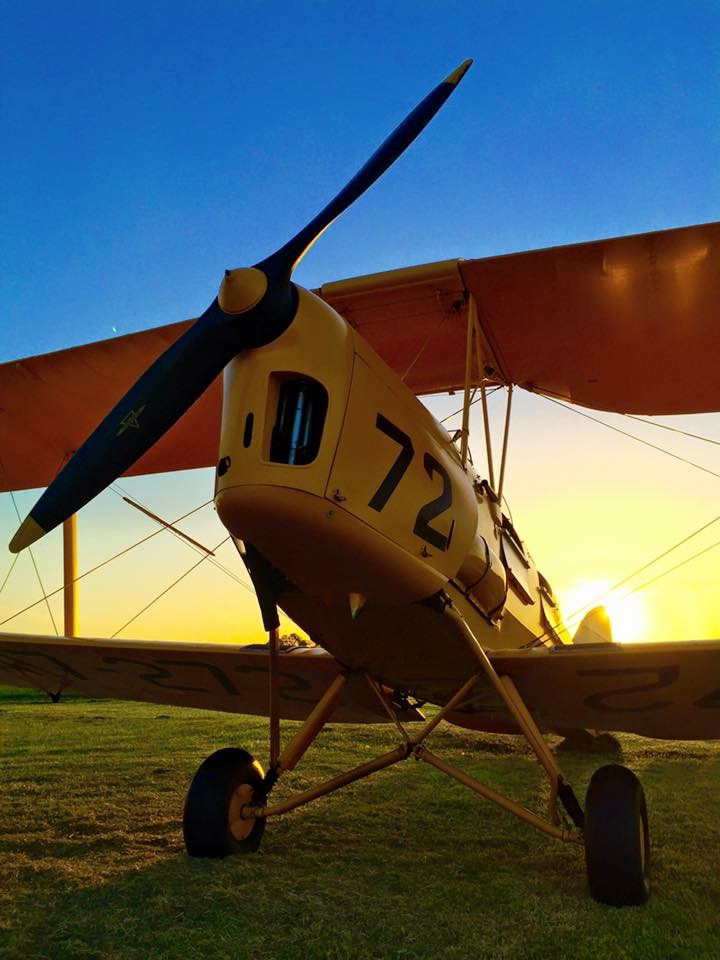
Several years ago I was privileged to fly in the front ‘pit of a deHavilland DH82 Tiger Moth with “Tiger” guru Bill Finlen from his home on a glider strip about an hour’s drive west of Brisbane, Queensland Australia. The Tiger Moth’s Gipsy Major engine rotates in the opposite direction compared to most modern aircraft engines. Where we stress the application of right rudder to counter left turning tendencies in most propeller airplanes, in the Tiger Moth you need to be ready with left rudder during takeoff and climb.
This week’s LESSONS are not about that…at least not entirely.
Although we stress right rudder to compensate for left-turning tendencies for takeoff, climb and any high power and/or high angle of attack maneuver in most propeller airplanes—“more right rudder” being the flight instructor’s mantra and lament—there are times other than left turns when you need to be ready with left rudder to keep the slip/skid ball centered. This week’s LESSONS is a more comprehensive review on power, angle of attack, airspeed and rudder requirements than is usually discussed…and the impact control surface rigging and trim devices have on rudder requirements. This is a key element in avoiding Loss of Control in Flight (LOC-I) accidents and especially spins. But it’s relevant in more normal operations as well.
I first noticed this as a pre-solo officer trainee student in the T-41A Mescalero, the U.S. Air Force’s early 1980s primary flight screening aircraft, an essentially off-the-shelf, stripped down, 145 horsepower 1965 or 1967 Cessna 172. I remember coming in from the practice area west of our training field at Hondo, Texas, my patient and exasperated instructor Joe Oswalt at my side, nosing the underpowered Cessna down into the bumpy Texas autumn heat. This was Joe’s standard practice: spend as much time in the practice area as possible, then pick up speed in the Air Force corridor on the way back to Hondo to get on the ground at the very end of our training period.
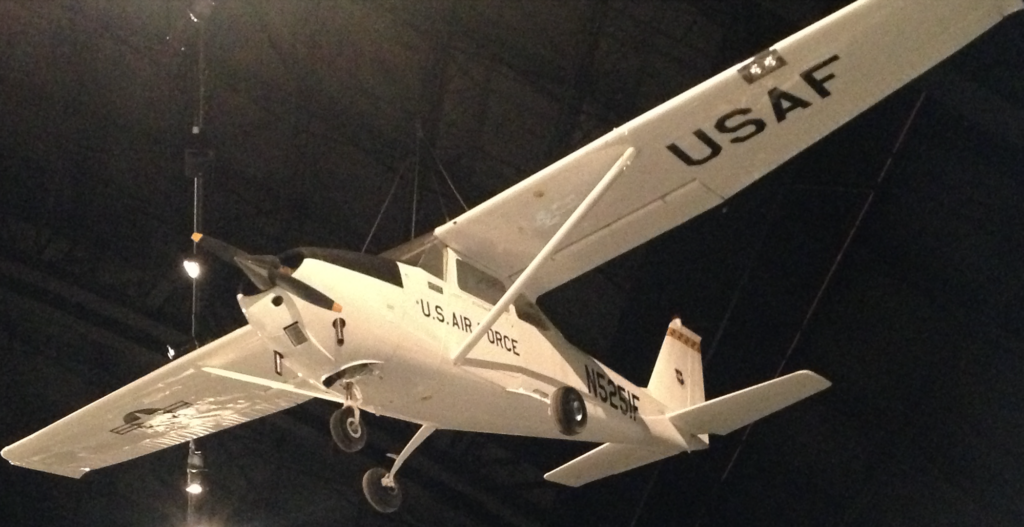
Having been admonished to apply “right rudder, right rudder” again and again during climbs, in slow flight and as we slowed toward aerodynamic stalls, as we picked up speed in the descent I was surprised Mr. Oswalt prompted me to add left rudder. Sure ‘nuf, the slip/skid ball was half a ball width to the left of center. What’s up with that?
The rudder is used to compensate for adverse yaw, the aerodynamic force created by aileron deflection—ailerons being used to bank the airplane and initiate turns (that are later sustained by elevator input). These forces cause the airplane’s nose to yaw opposite he direction of the wing’s bank. Applying rudder in the direction of bank forces the nose to streamline back in the direction of the turn. This elimination of yaw is vital to prevent a spin if a wing stalls. Also important, it reduces drag from the fuselage by streamlining the aircraft in the direction opposite the relative wind. Rudder coordination improves performance in all phases of flight in addition to preventing spins.
(For purposes of this week’s LESSONS we’ll defer discussion of intentionally uncoordinated conditions such as slips. For more on that check out my article “Asymmetry in Action”, originally published in 2006 in Aviation Safety).
It seems reasonable that airplanes should be designed to remove the need for manual rudder input for the longest duration phase of flight—cruise. The rudder on most airplanes is rigged to balance normal cruise power forces when at normal cruise power and indicated airspeeds. To do this, most rudders have a fixed trim tab that forces the rudder to a position that compensates for these cruise flight forces. Airflow across this trim tab in normal cruise displaces the rudder the right amount to keep the slip/skid ball centered and the airplane streamlined for maximum speed at the selected power setting.
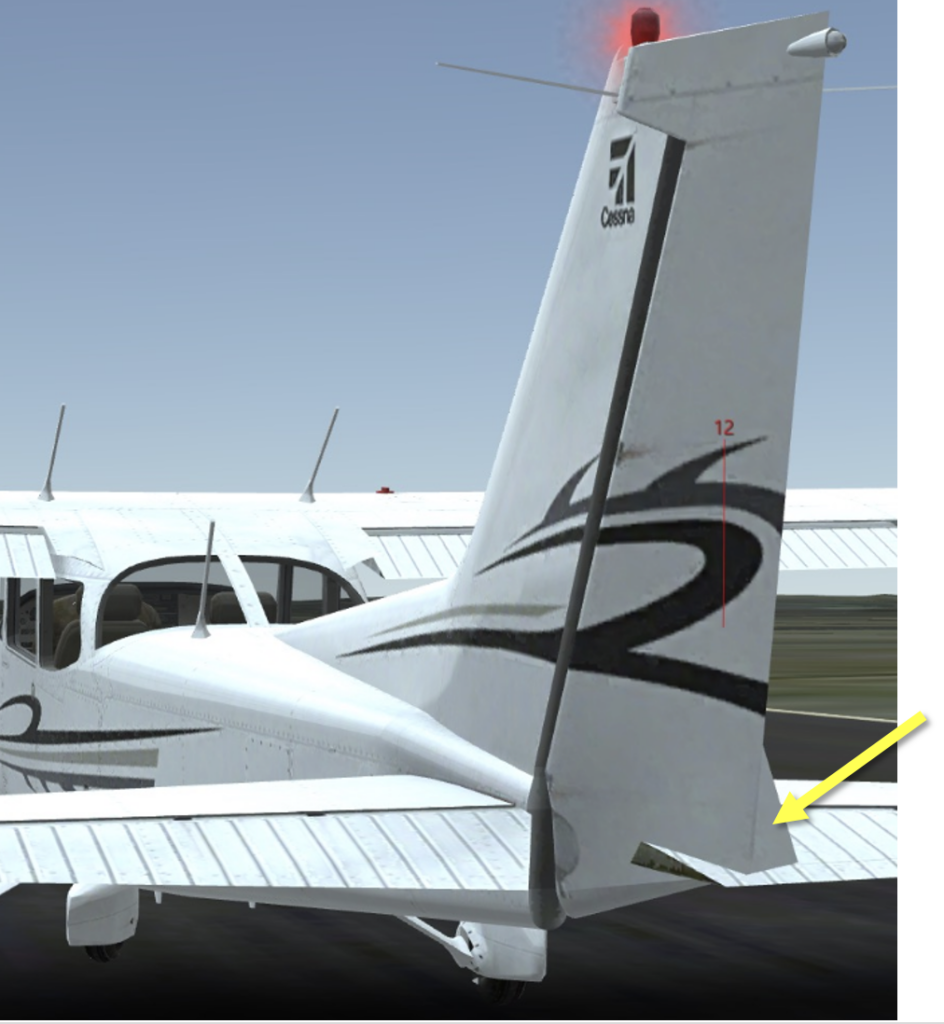
Fixed rudder trim tab on a Cessna 172. Airflow across the deflected tab forces the rudder in the opposite direction. These are also called “ground adjustable trim tabs” because they are moved slightly one way or the other when the airplane is rigged—a process that requires repetitive flight tests and a lot of trial and error to get right. So do not touch the trim tab or you may upset the airplane’s rig, requiring manual rudder input in cruise or costing a few knots of airspeed in cruise if you do not manually keep the ball centered.
Many airplanes, usually those with more powerful engines (and therefore stronger left-turning tendencies requiring even more rudder deflection at high power settings, low speeds and higher angles of attack) have manually adjustable trim tabs. This secondary control surface permits trimming the rudder over a range of airflows and angles of attack including the big difference between takeoff and climb requirements and the desirable feet-off condition in cruise flight.
By hand or by foot, however, you still must coordinate the rudder for maximum performance.
Here’s an exercise:
- Establish climb power and speed.
- Carefully applying rudder for coordinated flight—slip/skid ball or other indicator centered—note the vertical speed.
- Release rudder input, being careful to maintain climb speed and heading.
- Note the slip/skid indication.
- Note the reduction in vertical speed.
- Apply enough rudder to move the slip/skid indicator to about 1/3 deflection…not quite centered.
- Note the vertical speed.
- Reapply rudder to return to coordinated flight.
- Note the vertical speed.
- Apply additional rudder in the same direction—too much rudder input—to move the slip/skid indicator to about 1/3 deflection in the opposite direction.
- Note the vertical speed.
- Return to coordinated flight.
- Quantify the difference in performance between coordinated and uncoordinated flight.
Especially when heavily loaded, at high temperatures or density altitudes, and/or in lower-powered aircraft, you’ll see a substantial reduction in vertical speed when in even slightly uncoordinated flight. But it affects all aircraft and in all conditions to some extent.
Try the same exercise after establishing cruise speed and power, except look at the indicated airspeed, not the vertical speed, in and out of rudder coordination in level flight.
Now slow the airplane from cruise to traffic pattern speed in level flight. Notice the change in rudder input required with less power but also less airflow over the trim tabs.
At this lower power setting, apply down elevator to begin a descent. Allow the airplane to accelerate. Evaluate the rudder input necessary to maintain coordinated flight at this higher speed at the same power setting. It will certainly take less right rudder. You may even have to apply left rudder to keep the slid/skid indicator centered as the trim tab, affected by the increased airflow at the lower power setting and reduced angle of attack, pushes the rudder too far to the right.
As another exercise, let’s anticipate the rudder inputs needed in one of the more advanced Practical Test maneuvers, the Lazy 8 from the U.S. Commercial Pilot-ASEL Airman Certification Standards.
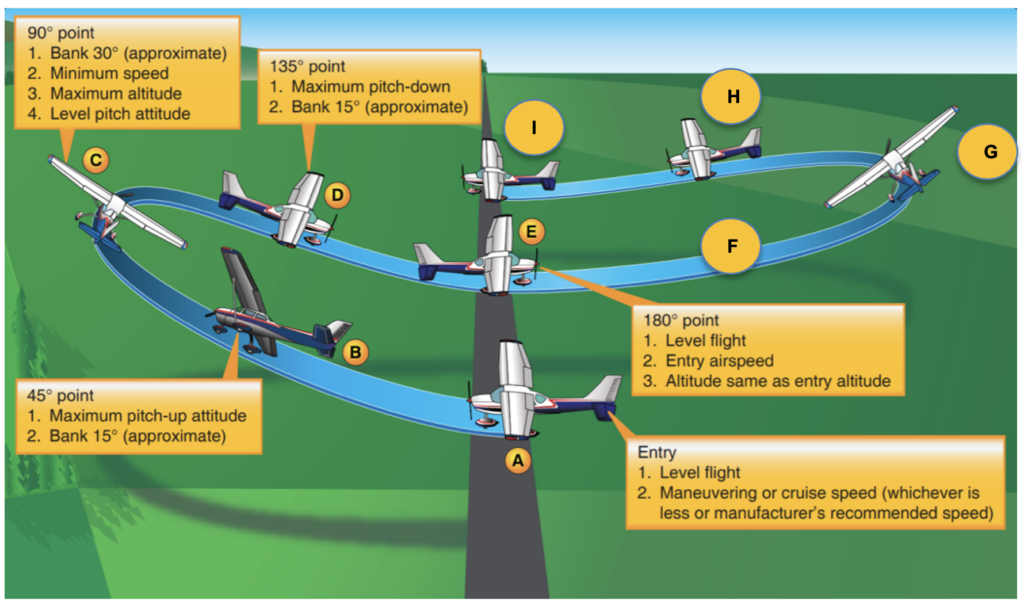
Your aircraft may behave differently based on the quality of its rigging, the distribution of weight along the lateral axis (fuel imbalance, differences in occupant weight), the power setting used, the mass of its propeller and other design features (the Beech Bonanza and Debonair, for example, have an aileron/rudder interconnect that applies some rudder in the direction of the turn when ailerons are displaced, but it’s set for cruise flight).
Before you go see for yourself exactly what your airplane needs on a given flight, here’s an idea of what you might anticipate for rudder requirement to remain coordinated in each segment of this maneuver:
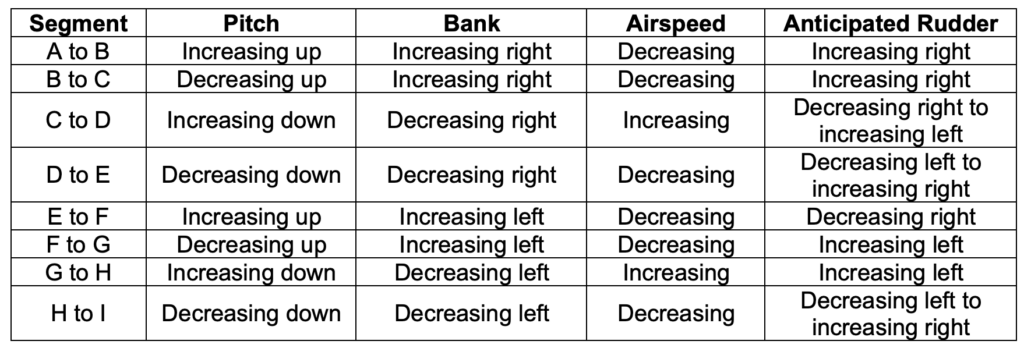
I’m sure the aerobatic instructors out there, along with those who regularly teach Lazy 8s, will have adjustments to this “Rudder Anticipation Table” based on their experience. My point is for this and all maneuvers that include changes in bank angle, pitch attitude and airspeed—and any that include changes in power setting also—you can anticipate the rudder required to remain in coordinated flight. For any maneuver, take along an instructor or knowledgeable pilot friend and see what rudder input is required, and fill in the right column in your own rudder anticipation table.
Ultimately airmanship is attained when you not only intellectually anticipate the changing rudder needs in flight, but that you apply rudder subconsciously and have the “feel” that prompts you to make changes without thinking as they are actually needed in flight. This “feel,” archaically expressed as “flying by the seat of your pants,” is one of the first skills that suffers when you can’t fly frequently.
It’s commonly said that to learn rudder control you should get tailwheel training. I agree. But the added rudder skill needed with a tailwheel is only in part related to handling the airplane on the runway and on the ground. Most tailwheel aircraft were designed in an era before attention was turned to reducing adverse yaw by incorporating differential ailerons, aileron washout and other engineering features. They generate much more adverse yaw when ailerons are deflected, even requiring rudder input before applying aileron in some types. This, and tailwheel airplanes’ fabled ground handling, require rudder mastery much more obviously than newer, coincidentally nosewheel designs.
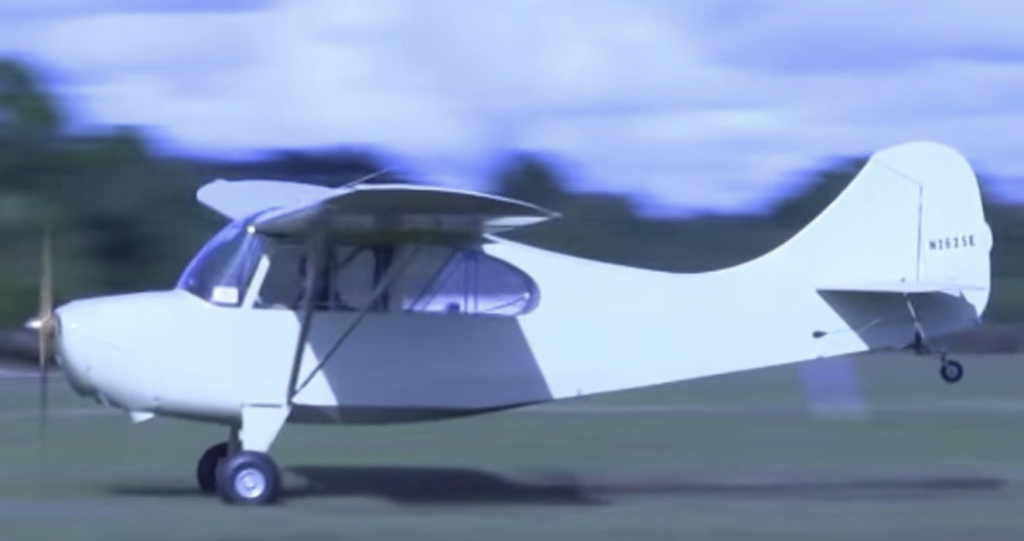
If rudder control is important in all airplanes—and it is—then it’s our fault if we don’t use the rudder for optimal flight even in nosewheel airplanes. We just have to emphasize it more. Rudder coordination is a vital skill for high angle of attack, near-stall maneuvering including takeoff and landing. It’s also necessary critical to get optimal performance from your airplane.
Questions? Comments? Supportable opinions? Let us know at [email protected].


Share safer skies. Forward FLYING LESSONS to a friend.
Please help cover the ongoing costs of providing FLYING LESSONS through this secure PayPal donations link. Or send a check made out to Mastery Flight Training, Inc. at 247 Tiffany Street, Rose Hill, Kansas USA 67133. Thank you, generous supporters.
Thank you to our regular monthly financial contributors:
Steven Bernstein, Montclair, NJ. Robert Carhart, Jr., Odentown, MD. Greg Cohen, Gaithersburg, MD. John Collins, Martinsburg, WV. Dan Drew. Rob Finfrock, Rio Rancho, NM. Norman Gallagher. Bill Griffith, Indianapolis, IN. Steven Hefner, Corinth, MS; Ellen Herr, Ft Myers, FL. Erik Hoel, Redlands, CA. Ron Horton. David Karalunas, Anchorage, AK. Steve Kelly, Appleton, WI. Karl Kleiderer. Greg Long, Johnston, IA. Rick Lugash, Los Angeles, CA. Richard McCraw, Hinesburg, VT. David Ovad, Resiertown, MD. Steven Oxholm, Portsmouth, NH. Brian Schiff, Keller, TX. Paul Sergeant, Allen, TX. Paul Uhlig, Wichita, KS. Richard Whitney, Warrenton, VA. Jim Preston, Alexandria, VA. Johannes Ascherl, Munich, Germany. Bruce Dickerson, Asheville, NC. Edmund Braly, Norman, OK. Steven Hefner. Lorne Sheren, New Vernon, NJ. “The Proficient Pilot,” Keller, TX. Kynan Sturgiss, Hereford, TX. Bluegrass Rental Properties, LLC, London, KY. John Foster. Joseph Victor, Bellevue, WA. Chris Palmer, Irvine, CA. Barry Warner, Yakima, WA. Todd LeClair, Cadiz, KY. Jim Hopp, San Carlos, CA. Adrian Chapman, West Chester, PA. Ed Stack, Prospect Heights, IL. Robert Finley, Dubois, Wyoming. Robert Finley, John Kinyon, Lawrence Copp, V. Andrew Smith. Kevin Echols
Thank you to these 2026 donors:
Robert Sparks, Mark Sletten, Thomas Jaszewski, Douglas Olson, David Field, Michael McRobert, Michael Morrow, Peter Baron
NEW THIS WEEK: David Peterson, Jerry Magnoni
Thanks also to these donors in 2025:
N. Wendell Todd. David Peterson. Jay Apt. Gilbert Buettner. David Larsen, Peter Baron, Glen Yeldezian, Charles Waldrop, Ian O’Connell, Mark Sletten, Lucius Fleuchaus. Thomas Jaszewski. Lauren McGavran. Bruce Jacobsen, Leroy Atkins, Coyle Schwab, Michael Morrow, Lew Gage, Panatech Computer (Henry Fiorentini), Dave Buetow, Ken Vernmar, Dave Wacker, Bill Farrell, David Miller, Daniel Norris, Robert Sparks, Bill Cannon, David Yost, Don Bowles. Ed Shapiro, Mark Kolesar, William Weber, Anonymous Oshkosh donor, Robert Lough, Martin Sacks, Denny Southard, John Owen, Wayne Mudge, Dale Bleakney, Rod Partlo, Kevin O’Halloran, Joseph Montineri, David Kenny, Boyd Spitler, George Stromeyer, Greg Hill, Phil Parham, Arthur Utay, Lawrence Peck, Glenn Beavers, Richard Erler, Lorne Sheren, Tad Santino, Kenneth Bacow, Joseph Stadelmann, Randy Starbuck, Robert Dunlap, Patrice Kaplowitz
Two 2025 donations: John Teipen, Denny Southard, Wayne Colburn, Andy Urban, Timothy Schryer, Stu Spindel, SABRIS Aviation/Dave Dewhirst
Three 2025 donations: John Whitehead
Pursue Mastery of Flight®
Thomas P. Turner, M.S. Aviation Safety
Flight Instructor Hall of Fame Inductee
2021 Jack Eggspuehler Service Award winner
2010 National FAA Safety Team Representative of the Year
2008 FAA Central Region CFI of the Year
FLYING LESSONS is ©2026 Mastery Flight Training, Inc. For more information see www.thomaspturner.com. For reprint permission or other questions contact [email protected].